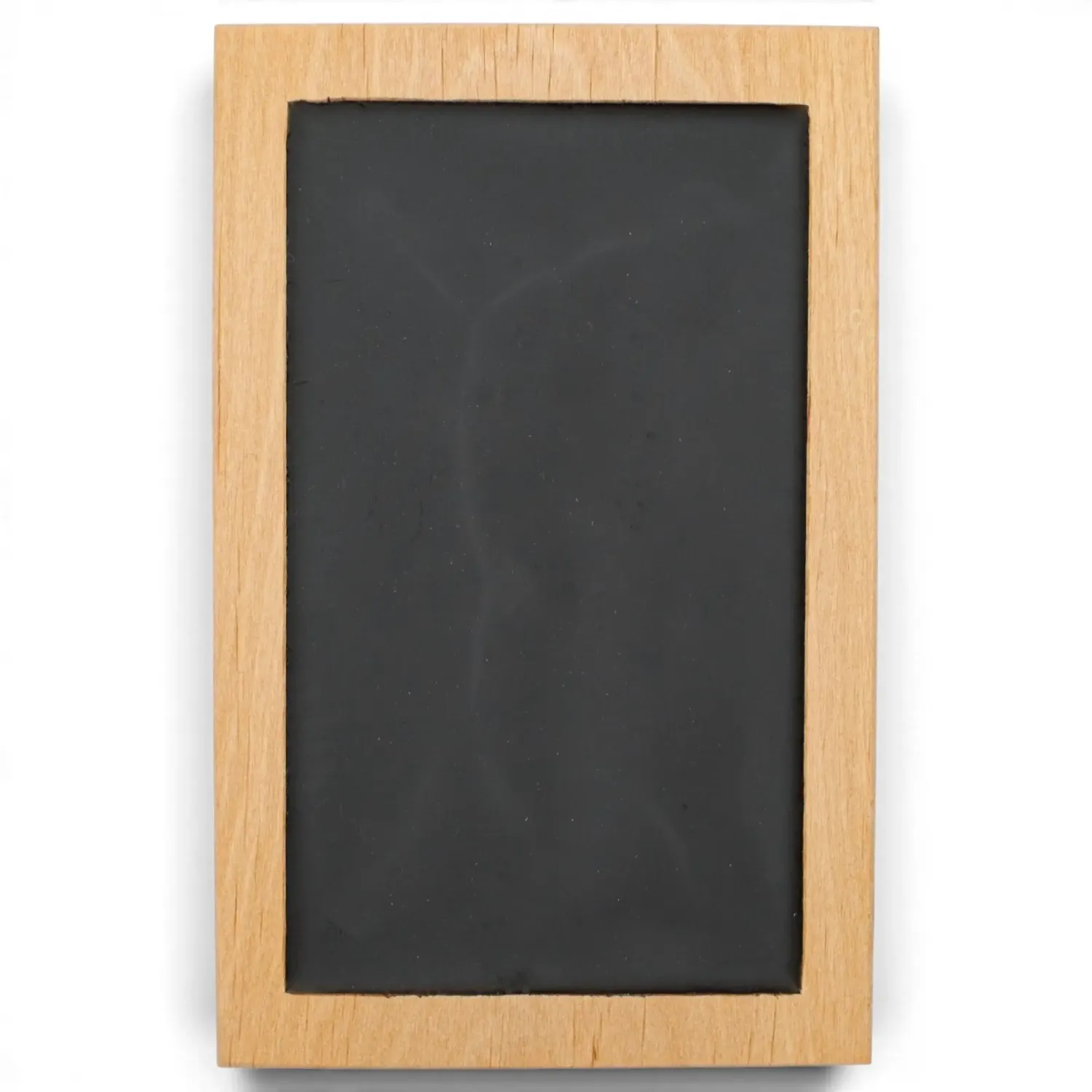
Writing Like a Philosopher
With a practiced hand, the tip glides over the soft surface of the wax tablet. Thoughts are inscribed, verses emerge, messages take shape. A moment of silence – then the end of the tool is turned, and with a gentle motion the writing disappears into nothingness. The surface is smoothed, ready for new words, new ideas. In the hands of a scholar, this tool became the companion of knowledge — day by day, line by line.
Thoughts in Wax: The Silent Revolution of Antiquity
In Roman daily life, the wax tablet stylus was a common tool — and at the same time a medium of education, administration, and philosophy. The so-called stylus, mostly made from bronze, bone, or iron, accompanied students in rhetoric schools, merchants in their recordings, and scholars in writing texts and notes. While the pointed side of the writing tool was used to inscribe letters into the soft wax, the flat back could erase the writing — an ancient "copy & paste" in the best sense. Archaeological finds demonstrate the immense spread of this instrument — from the streets of Rome to the garrison towns along the Limes. Even philosophers like Aristotle are likely to have used such tools to organize their thoughts before transferring them to parchment. The wax tablet was the notepad of antiquity — the stylus its pen.
When Writing Leaves a Trace...
Special Features at a Glance
-
Reconstruction of a Roman stylus — ideal for wax tablets.
-
Dual-function design: pointed for writing, flat side for smoothing.
-
Made of solid bronze — high-quality, durable, authentic.
-
Approximately 10 cm long — fits well in hand and any pencil case.
-
Perfect for school, museums, or reenactment.
Writing, Learning, Experiencing — with a Reach Back into Antiquity
Whether in history lessons, at the museum, or during historical role play — this bronze stylus invites you to actively experience Roman everyday culture. In the hands of a student, it becomes a tool of knowledge, in reenactment a believable prop, and in educational projects, a bridge between past and present. Its use in combination with a real wax tablet becomes particularly vivid: here, Latin vocabulary, small arithmetic tasks, or ancient quotes can be inscribed and changed as often as desired. The combination of haptics, writing, and design intuitively promotes understanding of ancient writing culture. An ideal tool for those who want to make history tangible — literally.
A Word of Wisdom from Antiquity
"Γραφὴ μνήμης ἐστὶν οὐχὶ λήθης."
– Plutarch, De Gloria Atheniensium
"Writing is memory, not forgetting."
Plutarch reminds us that writing is far more than merely recording information: it's an act of preservation. Those who work with stylus and wax tablet experience firsthand how thoughts take shape — and how fleeting they are when erased. A wonderful opportunity to reflect with young people on the value of the written word — yesterday as today.
Interesting Facts about the Roman Writing Stylus
Is the Stylus Functional or Just Decorative?
It is fully functional! The stylus can actually be used on wax tablets — for writing and also for smoothing. Ideal for museum workshops or education.
What Is the Material Made of Exactly?
The stylus is made of solid bronze, like many original finds from Roman antiquity. This makes it particularly robust and authentic in look and weight.
For What Age Is the Stylus Suitable?
From about 8 years — when motor skills are safely developed to handle a pointed object. In an educational context, usage should be supervised.
Voices from Practice
"Our workshop participants are always fascinated by how writing with a stylus feels. Especially children discover playfully how writing and thinking are connected — a great didactic tool!"
– Museologist, Archaeological Museum
Forum Traiani ® | We Make History Tangible!